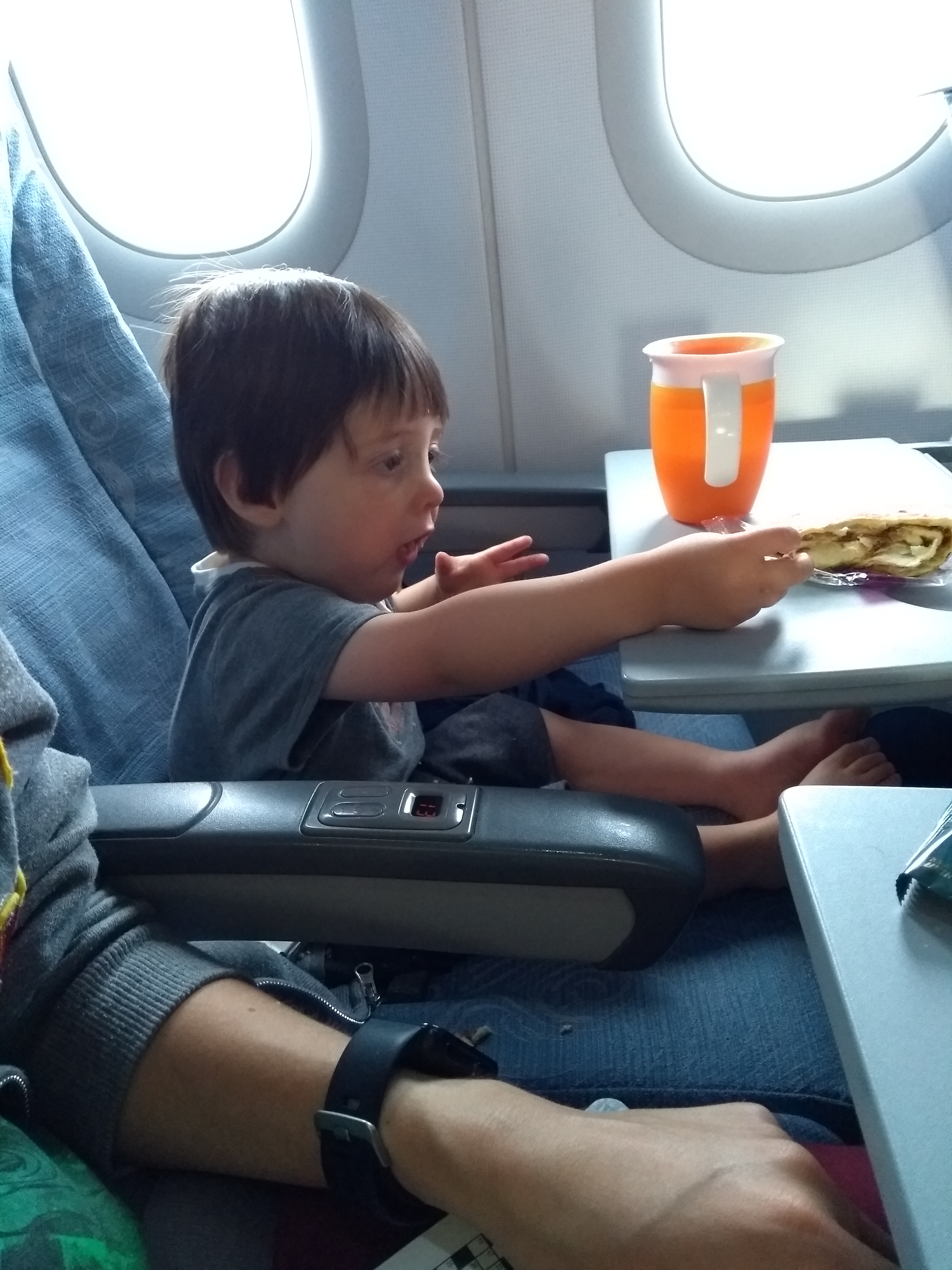

Thus on the first of July 2019, the Hopkins officially began to make their way to Hangzhou China. The first leg of the flight was about 11 hours long and just about as horrible as I had suspected it would be. The images above do not accurately reflect what was an 8 hour gauntlet of Hector growing progressively more and more enraged whilst me and Katy grew progressively more and more tired. At around the 8 hour mark however Hector finally fell unconscious. A few hours later we arrived in Beijing Aiport to transfer to a shorter domestic flight (2 hours) to Hangzhou.
Which as I suspected was…delayed. You may not know this but somewhere between 40-60% of all flights in China are delayed. This is largely due to the fact that Chinese airspace is fairly limited and with so many planes trying to zip across the same narrow stretches of sky…delays happen. What I had not expected was for us to be delayed after boarding…for an 100 minutes. Given the fact that a bullet train from Beijing to Hangzhou takes just under 6 hours and costs about half to a third as much as a flight…train travel didn’t seem so bad an alternative. Infact I’d generally vouch for it as a superior method of travel within China…but more on that later. One mildly terrifying taxi ride later and we had arrived at out home…well not yet. We arrived at a dodgy hotel! YAY!
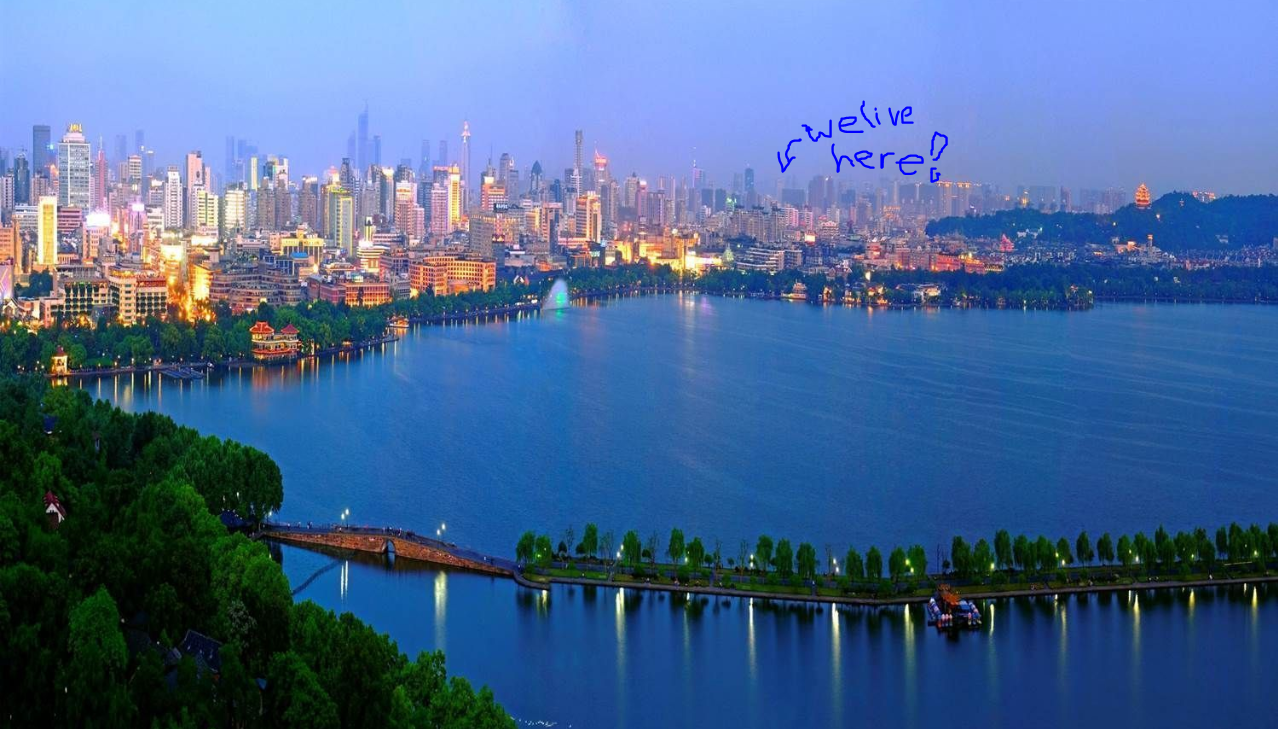
The next few days were all about trying to acclimatise to the city or in my case, running around wildly in a somewhat delirious state exploring the city whilst Katy and Hector slept. I was mildly successful. Hangzhou is thankfully, like many modern Chinese cities built on a grid. It’s also oddly enough both very old and very new and also not that old. Let me explain. Hangzhou, compared to other Chinese cities lucky enough to bear the lofty title of ‘Imperial Capital’ (Which it managed to hold for around 130ish years) it is no where near as ancient. It did not get it’s city walls until the 7th century! (A must have for all Chinese cities) which by Canadian/American standards sounds crazy old. Heck a city being 1400 years old would be quite old even by European standards…but in China where you find cities dating back 2300-5000 years…yeah, it’s kind of the little brother to other capital cities. To be fair, until about a hundred years earlier Hangzhou couldn’t exist…because…well…Hangzhou was largely under water.

The Qianjiang River (A fairly impressive ‘world class river’) tears through Hangzhou today as the Thames does London and the Tiber does Rome. Thing is, it used to be a lot larger and most of Hangzhou was under water. It was the redirecting of this river which created the massive tourist attracting West Lake and left a lot more of the city as dry land. Hangzhou prospered expontentially over the years, reaching perhaps it’s zenith in the 13th century when Marco Polo visited. At one point it was actually one of the largest cities in the world dwarfing Shanghai, Rome. Infact between 1500-1850 Hangzhou was somewhere between the 3rd and the 8th most populated city on the planet. Kind of funny that pretty much no one in the West whose neither Chinese or interested in China has ever heard of it! This is likely due to the city falling out of favour during the British occupation. All the work and all the trade shifted to the port cities such as Hong Kong and Shanghai and Hangzhou rapidly fell out of favour.
Then Mao died.

Then Mao died and things…changed. For China in a big way and Hangzhou in a…pretty big way too. Shenzen and Guangzhou down in the south and so close to the economic power house of Hong Kong, saw perhaps the most dramatic changes as capitalism overtook communism. Hangzhou however, conveniently located down the river from it’s much larger and more internationally adventurous sister Shanghai…saw a resurgence as well. Things really went into over drive when Alibaba (China’s answer to Amazon) opened it’s doors here at the turn of the 20th century. Now one of the most profitable companies on the planet, Hangzhou has very-very-very quickly transformed in the past decade and a half. You just have to look out of my apartment window to see…construction is happening everywhere. Here’s a somewhat dynamic tourism video for the city!
I managed to visit my new school a bit early and got toured around by Peter, a fellow Canadian whose been working at Basis Hangzhou for the past year. He’s been regarded by his co-workers as the most Canadian Canadian who ever Canadianed. To be fair, if you put the man into a mountie uniform, he’d probably pull it off…not many people can do that you know. Before we came to China we sent out 8 cardboard boxes to Basis. They uh…did not survive.
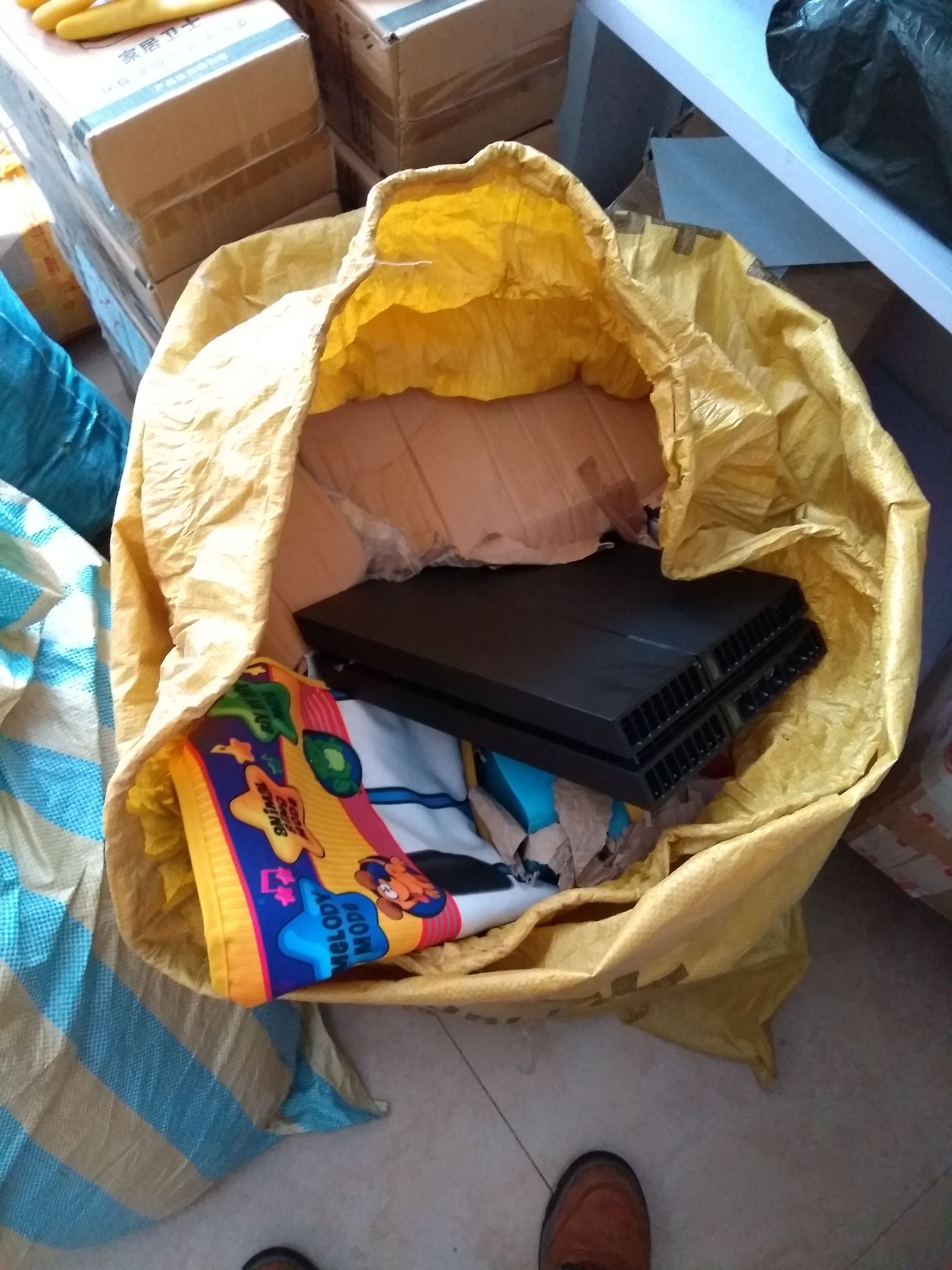
The boxes had collapsed andour possessions had been smooshed into a big burlap bag. Not great but…well at least we got our stuff here!
So after wandering around the lake briefly and stumbling upon a night market, it was time already for us to get moving on!
As I mentioned before, I am quite sceptical of air travel in China. This is largely due to just how fast their trains can go! All of the major cities (And most of the smaller cities, large towns, significant tourist locations) have high speed rail connecting them. High speed rail trains hit speeds of 220 miles per hour. That’s a little more than a third the speed of a commercial jet. So definitely inherently slower but lets consider a few others things…
Arrival at the travel location:
Airport: You are expected to arrive about 2 hours early to check in luggage/get through security. (3-4 hours if your my parents).
Train: You get your tickets printed off and take luggage onto the train. Arrive 20 minutes before.
The Journey and Arrival
Plane: Sit in a chair. Curse the over head light for not letting you up to pee. Upon arrival wait in your seat for 10-20 minutes or stand up and look like an impatient jerk knowing all the while that you are achieving absolutely nothing as getting off the plane 30-80 seconds earlier nets no benefits. Let’s use the Beijing to Hangzhou as a metric and say…2 hours in the air.
Train: Sit in a chair. Walk around. Go to the dining car. Defecate in a restroom when you feel like it. Get wildly drunk off of the alcohol you brought on board. 5 hours and 45 minutes on board.
Collecting Luggage and Getting to your Hotel
Plane: Wait 15-40 minutes for your luggage to come onto the conveyor belt. Why is it taking this long? Who cares, you’re in airport land now, your soul is forfeit and your sense of sanity is waning. Drag luggage through to the taxi area, or the shuttle bus, or if you are lucky the train to get you into the actual city. Because c’mon, who the hell builds an airport in the middle of a city? (Shutup Toronto Island airport. No one likes you anyway). Journey time 25-80 minutes. Total time…40-120 minutes.
Train: Wait for-oh right, you took your luggage on to the train. Guess you should just uh…go. Oh look they built the station inside of the city. Better get across town… Total time: 5-30 minutes.
Total:
Beijing to Hangzhou by train: 6 Hours and 10 minutes to 6 Hours and 35 minutes
Beijing to Hangzhou by plane: 4 hours and 25 minutes – 6 hours (Provided you arrive only 2 hours before flight)
These numbers are largely based upon my own experience and anecdotes. Considering the plane costs double to triple the price of the train…yeah I’m a convert. That said Hector…doesn’t make long train journeys easy…
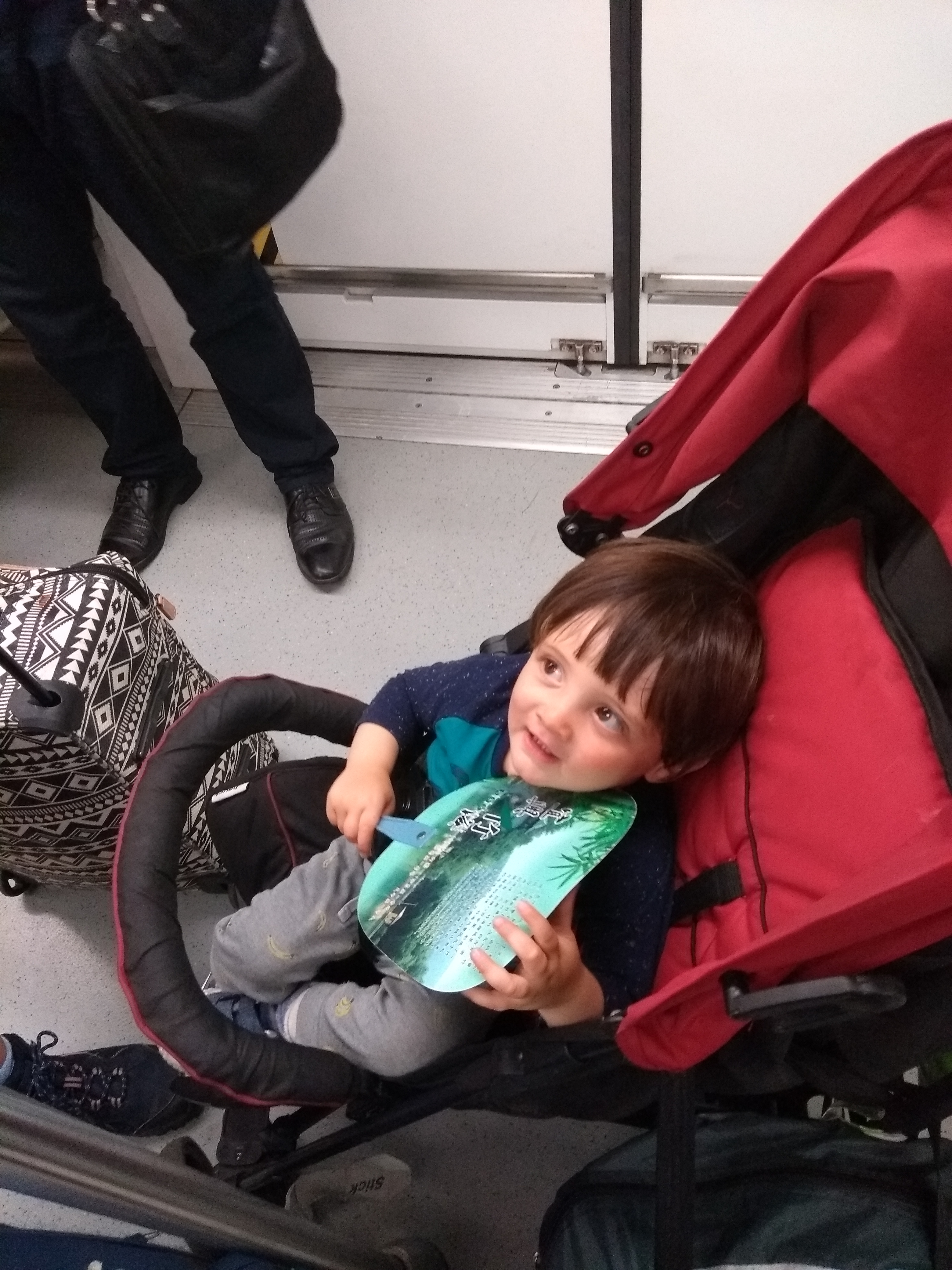
More on that next time, when we cover the journey to Nanjing and the pitfalls of travelling with a 2 year old…


 The Hopkins of Hangzhou