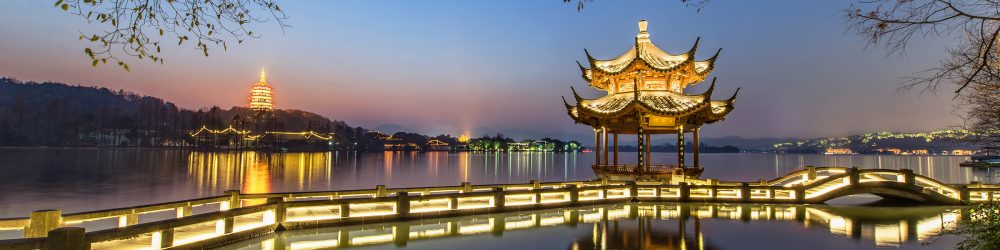

Of the above four locations you may be familiar with one, or maybe even two, if you have a passing interest in Chinese History however you should be fairly familiar with these three cities and one particularly impressive mountain. Firstly Luoyang, Xi’an and Nanjing all hold the lofty title of Ancient Capital. Primarily because at different times over the past 3500 years each has been the seat of centralised Chinese Governmental power. (The fourth ancient Capital is Beijing , though I am not convinced that the term ancient is entirely applicable there. Although you will find that the Chinese have a funny habit of using the word Ancient for things which are over 200 years old…maybe it’s just a bad translation of ‘Old Historic Thing’.
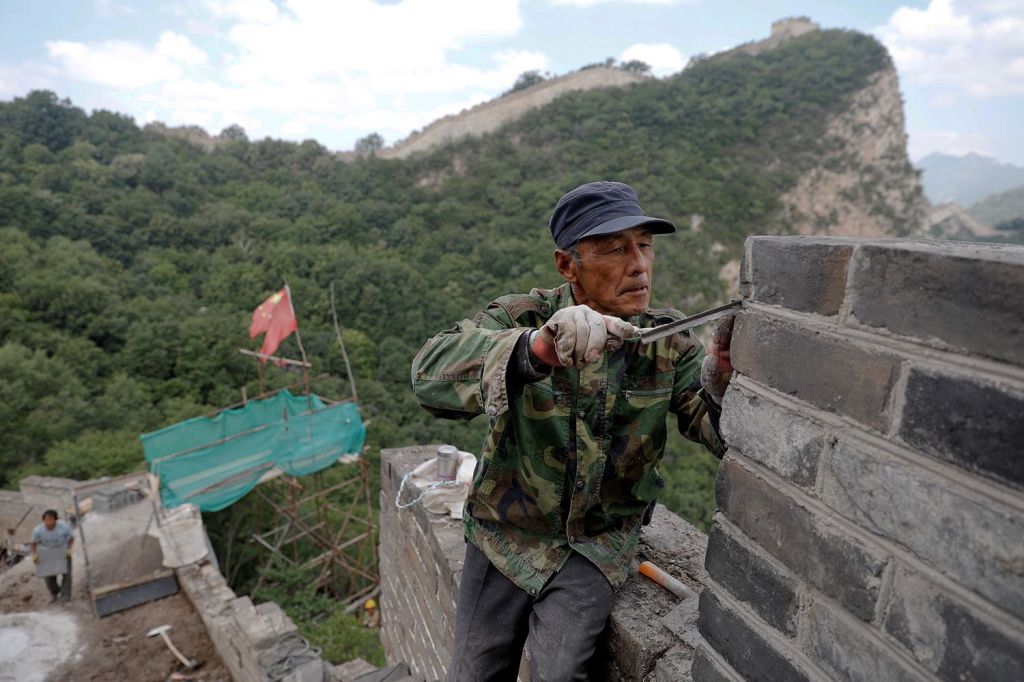
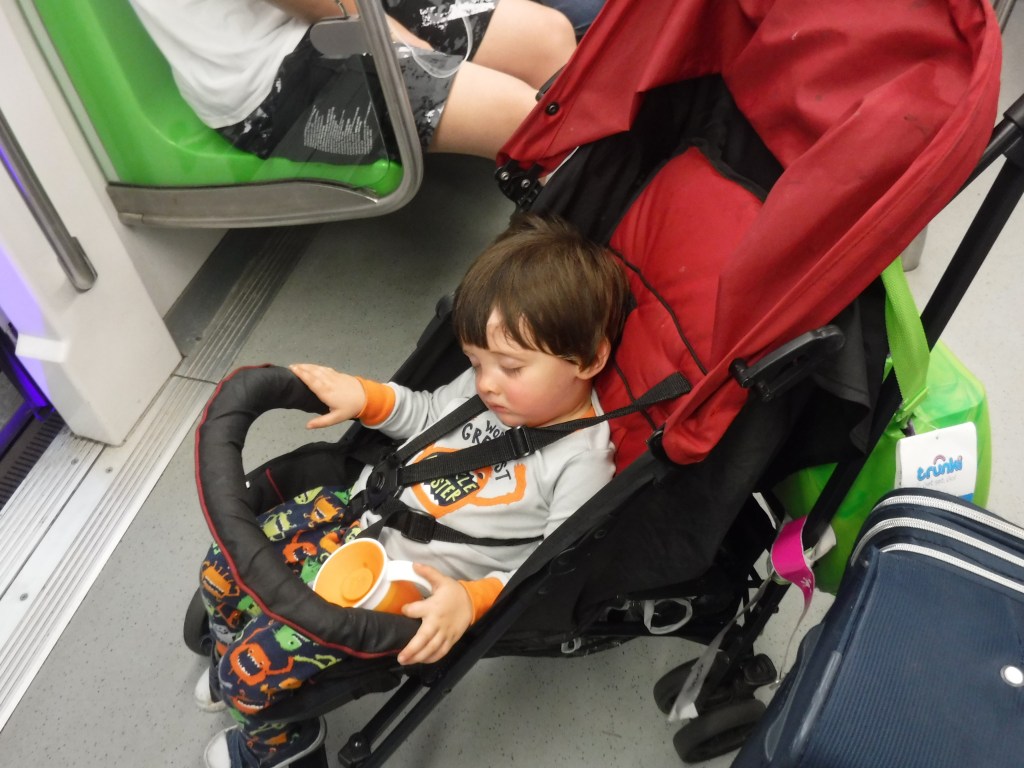
Anywho after an hour and a half bullet train ride we arrived in Nanjing. In retrospect I probably should have planned less cities and more time to visit each as all we really managed to see in Nanjing was the rather impressive National History Museum. We did however get a great chance to acclimatise the different climate, weather and culture of China. People often speak of culture shock and I suppose we had read enough about what to expect to not be too overwhelmed. That said, the constant spitting on the ground and into garbage bins is rather unsavoury. It was also at this point we realised that we had really brought too much luggage with us as we were now hauling. Three suitcases, a stroller, 4 backpacks and a pop up tent. The stroller helped us carry quite a lot of the stuff, but we were heavily reliant upon museums/attractions having a luggage drop off point.
In Nanjing we managed to visit the National History Museum, wherein Hector screamed. A lot. So that kind of ruined it. Next we attempted to climb up Purple Mountain Scenic area to visit the mausoleum of Sun Yat-Sen. Sun Yat-Sen is considered to be the father of modern China by both the People’s Republic of China and the Republic of China (China and Taiwan respectively) and his burial place is quite impressive looking.
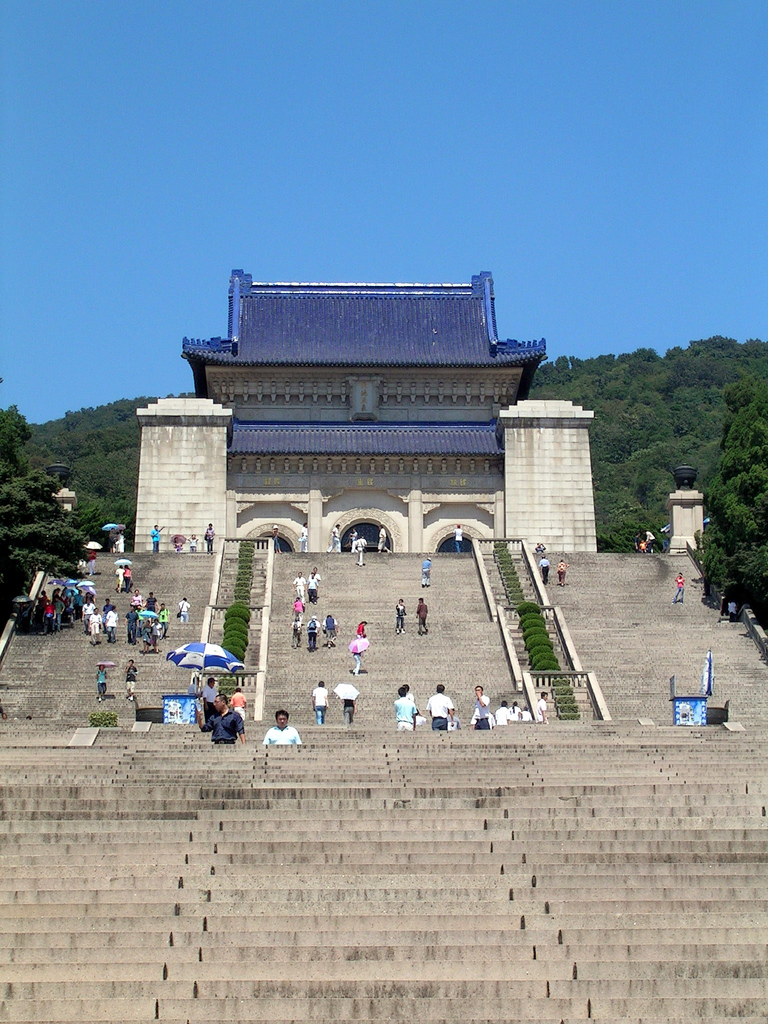
Which is hilarious if just because the man lived a fairly modest life and actively asked for the still quite young Chinese Republican Government to not build statues or monuments to him…oops. This was a bit of a mad adventure as we couldn’t yet order a DiDi (The uber of China) and we only had a loose understanding of how the buses worked. So we ended up effectively begging a cab to take us there. He did not. He took us to a very nice McDonalds wherein’ I discovered that Mcdonalds in China whilst not costing much more than it does in the UK is shockingly only a bit cheaper than eating at Pizza Hut.
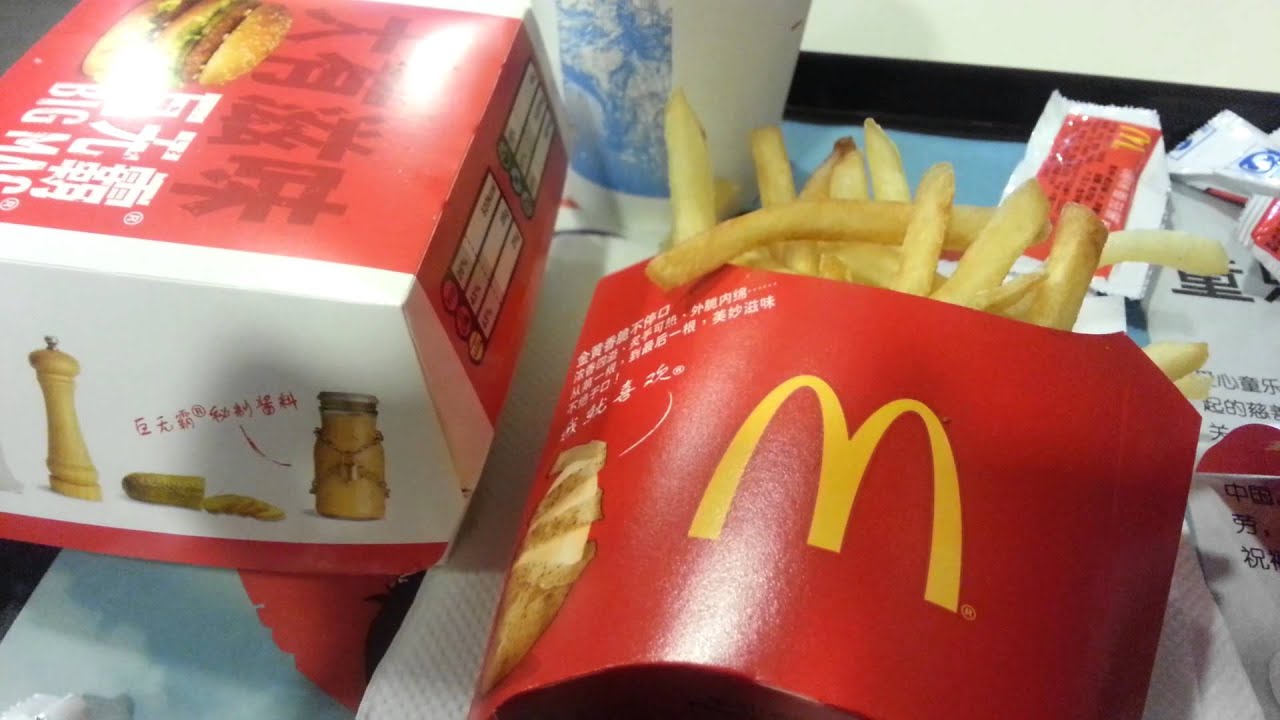
EXHIBIT A: A Big Mac Meal 60 RMB. (6 GBP)

EXHIBIT B: A Large Stuffed Crust Pepperoni Pizza 75 RMB (7.50 GBP)Still the break gave us the energy we needed to tackle the long hike up Purple Mountain to visit Sun Yat-Sen’s mausoleum. One thing I have begun to notice in China is the tendency for anything culturally significant/touristy to have a long maze of vendors, souvenir shops and restaurants leading up to it.
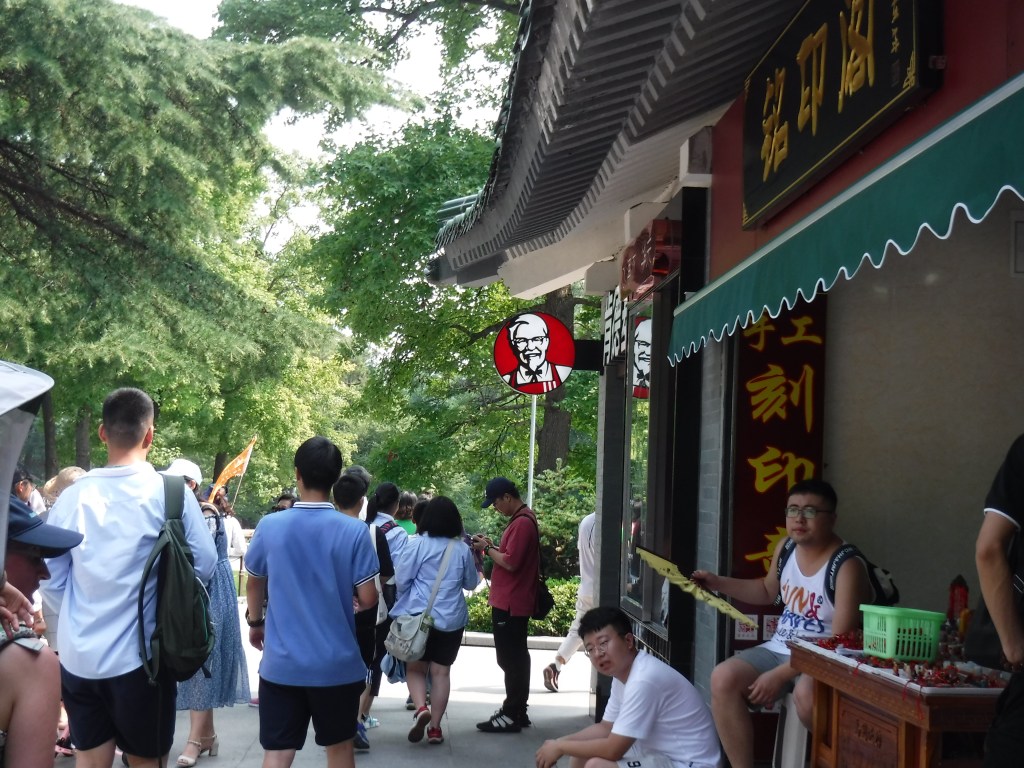
I suppose this is true of any tourist site anywhere, but the ones here really feel labyrinthine. Furthermore, most sell the exact same stuff so I’m not really sure how they manage to all stay in business. After a long hike up we found uh…that you needed to book your tickets in advance. So we couldn’t go in…damnit.
That’s okay though because we were about to fix our luggage problem and have far, far worse things happen than not getting into a national monument.
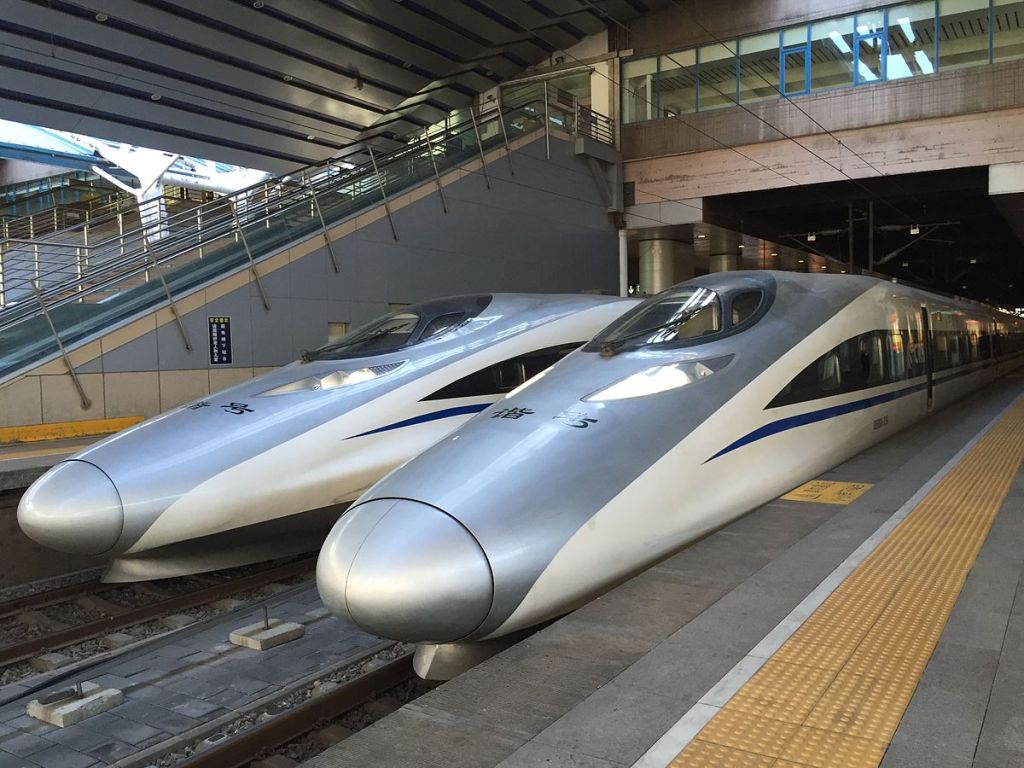
On the train ride between Nanjing and Luoyang, at some point my suitcase was either stolen or accidentally collected. Inside of it was nearly 5000 RMB (500 GBP) my laptop, tablet, chromebook chargers, all of the clothing I was currently not wearing, and a variety of other personal effects. Thus the following morning we went shopping at a very large and very empty shopping centre. Another funny thing about malls in China. Most sort of suck. Not because they’re messy, or full of shut stores but because well…they’re full of expensive boutiques with over priced clothing. Fun fact, most Chinese people now actually just buy things on their phones. Groceries, clothing, food, toys, etc. So shopping malls have taken on a different life. They’re a place you go to eat (as they often do have very nice restaurants ranging from cheap to expensive. ) and more importantly, be seen…I think? I can’t quite work it out. Most are 3-7 floors high with lots and lots of designer stores but no one ever seems to actually buy anything.

I’ll need to look more into this. So after much hassle I bought some over priced T-Shirts and shorts and resumed adventuring!

Luoyang is the most ancient of cities featuring the ruins of tombs and palaces from multiple dynasties which made the city their home. Once again however we didn’t really have the time to see all of that, so instead we ended up defaulting for the two biggest sites just outside of the city. Longmen Grottoes and Song Shan.
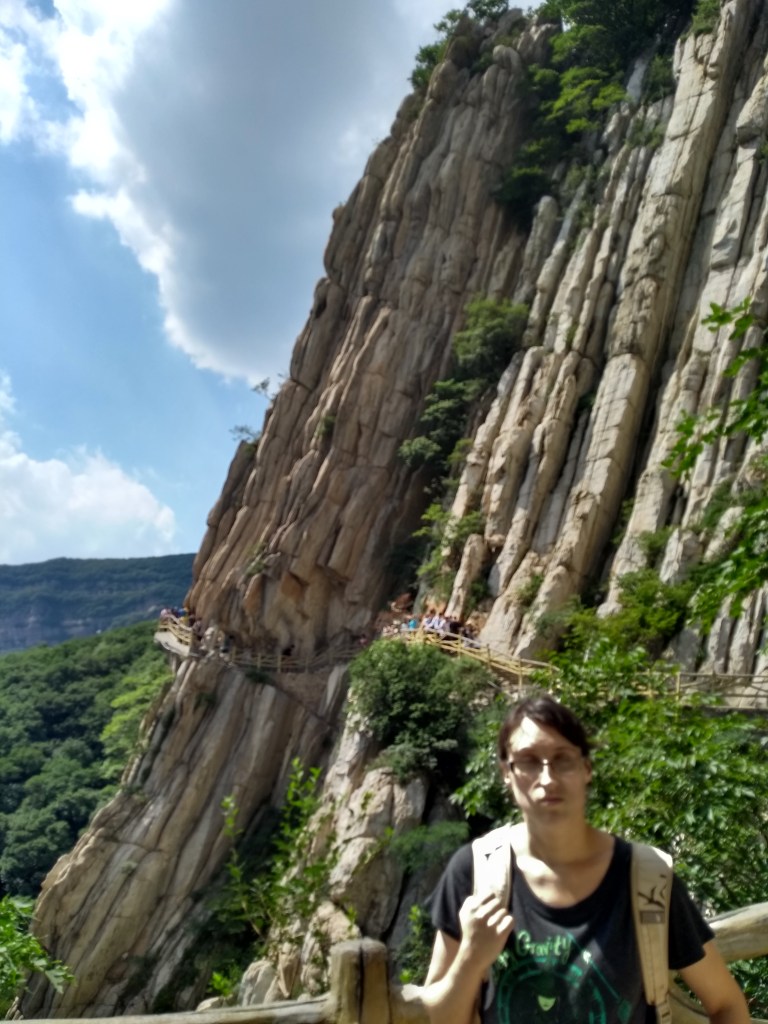
Song Shan is a towering monolith of lime stone and granite. Whilst maybe not your arch-typical Chinese mountain, it does cut an impressive profile of solid uncovered white stone. It’s also where Kungfu Monks come from. Shaolin monks built their monastery at the foot and up along the side of this mount and developed martial arts practices which TODAY YOU TOO CAN ENJOY! YES REALLY, YOU TOO CAN JOIN THE HUNDREDS OF FOREIGNERS WHO COME HERE DAILY TO SHAVE THEIR HEADS AND BECOME MONKS! For like…1-4 weeks. Maybe I’m too stuck up, but I don’t really get this. I mean it makes the Shaolin a ton of cash for sure, but it kinda feels like it cheapens the whole monastic life choice thing. I mean, the compound for foreigners learning Kungfu is actually 3 times the size of the actual temple (As seen on Baidu maps).
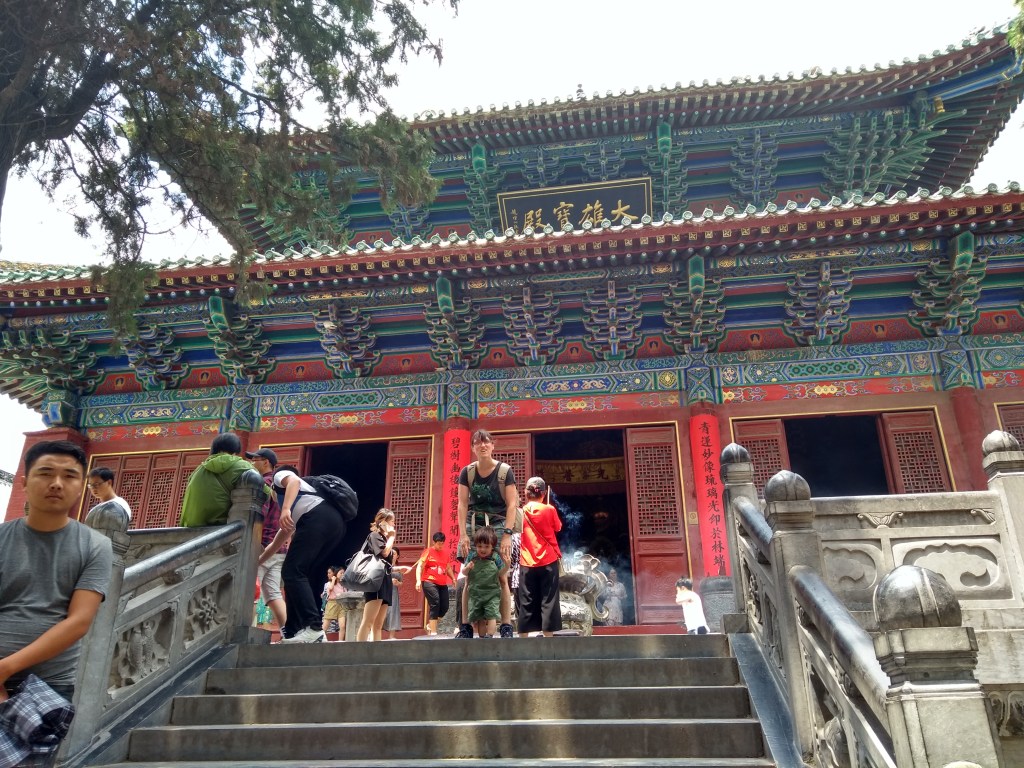
Still the temple is quite beautiful and it was here Hector’s celebrity status became evident. In Hangzhou and even in Nanjing I imagine the locals see foreigners often enough that it barely warrants a second look. But deeper into China and in a Tier 3 city like Luoyang…me and Katy got a lot of looks, Hector being an even rarer commodity (A White Toddler) had crowds forming around him if we dared to stop walking for a few moments.

Luckily Hector really enjoyed the attention and got into the habit of actively waving at strangers, I think he just likes the attention.
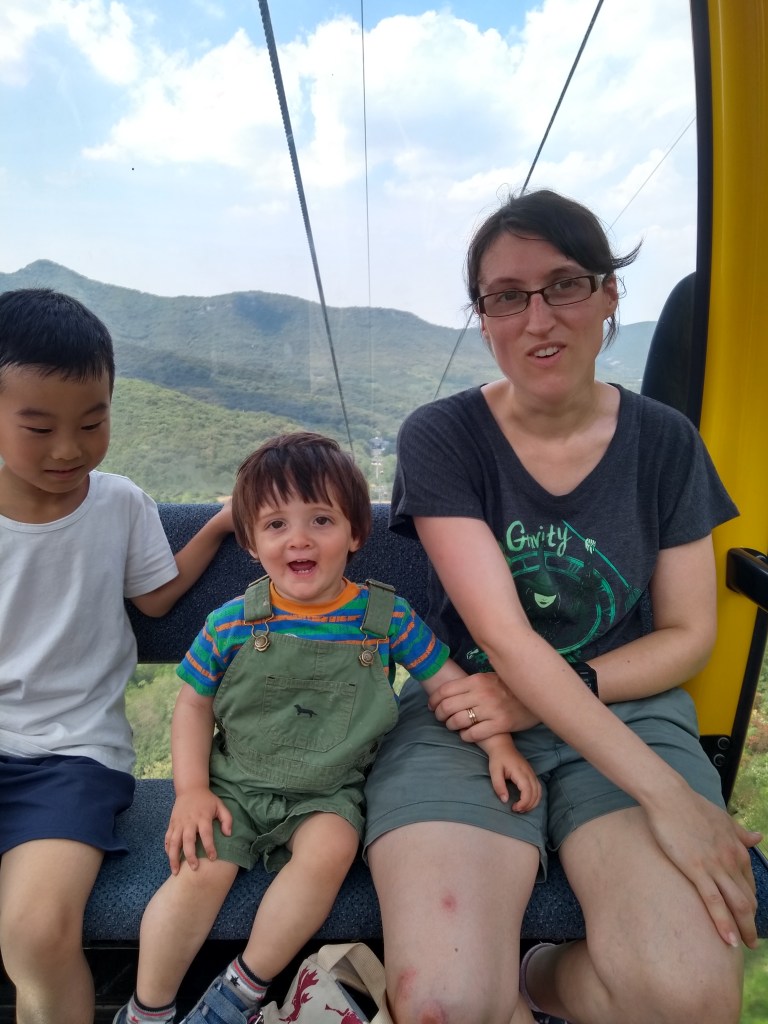
We took a cable car up Song Shan under the pretense that it would make the hike easier. Yeah no. Hector’s backpack carrier helped, but it was still a lot of weight and the cable car took you only a bit more than half of the way up. After about 4 miles of walking we decided to turn back and head down. Officially because we didn’t want to keep our taxi waiting, in actuality I think we were just tired.
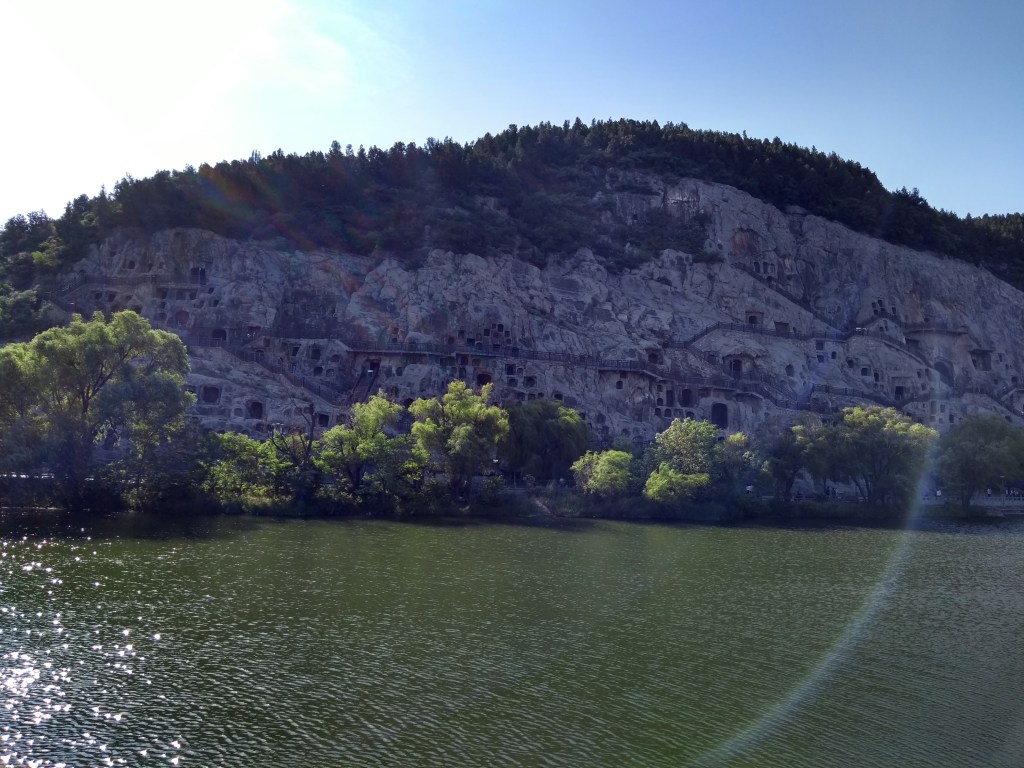
The next day we went to Longmen Grottoes. One of the largest Buddhist sites still standing in China, it was largely built up during the Tang Dynasty (About 1300 years ago). Facing a river the temple complex looks to be made up of thousands of shallow caves. Of course these caves were in fact hand carved by artisans, often with some of the natural stone being carved out into monolithic Buddhist sculptures. The largest and most famous is perhaps modelled after the one and only female Emperor Wu Zetian.

The next day we were off again, this time with me paying extra close attention to our suitcases as we travelled by train to Xi’an. Originally I had wanted to spend half of the travelling day going up Hua Shan (another mountain along the way) buuut yeah. That didn’t happen. Xi’an is perhaps the most famous Chinese City in the West, perhaps not for itself but rather what it has within the city limit. The Terracotta Army. Xi’an itself is definitely worth spending a few days in. It’s a truly ancient city still sporting impressive City Walls which have encircled the city (In various states of repair/disrepair) for 2,000 years. It was also a major pit stop for the silk road and consequently during the Tang dynasty became a hot bed for immigrants/foreigners. Today the city still sports a sizeable Muslim quarter in the old city. (It’s actually more like a third of the old city, which itself is a 3 by 4 mile block.) It was here we discovered something I had only vaguely heard of.

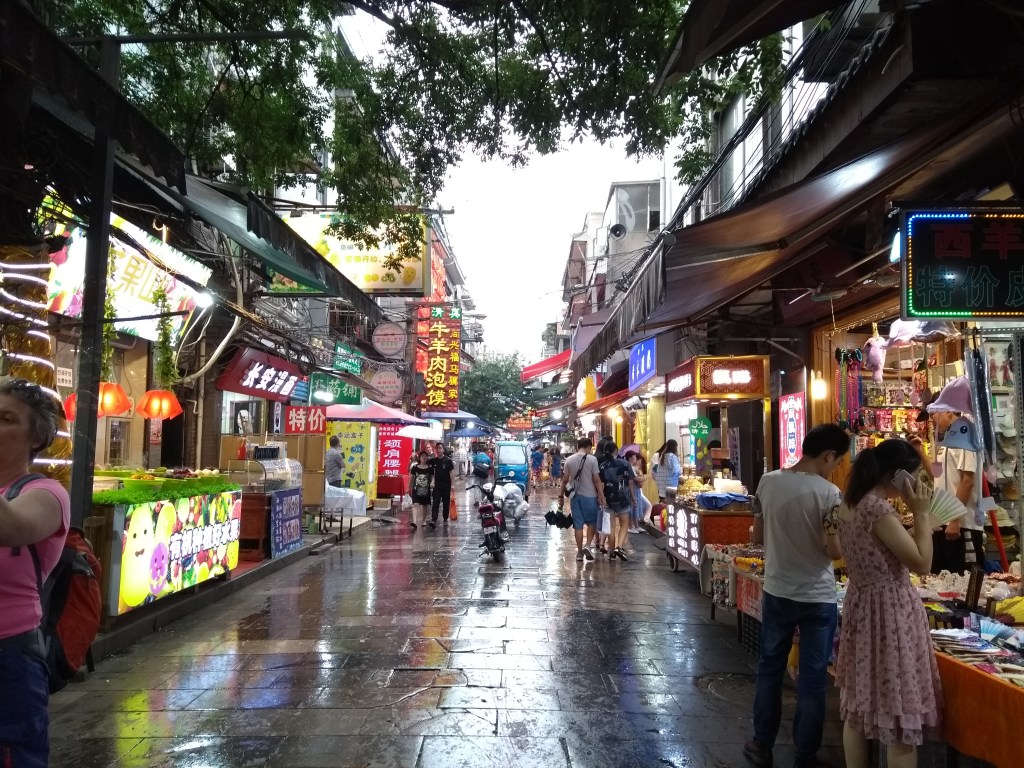

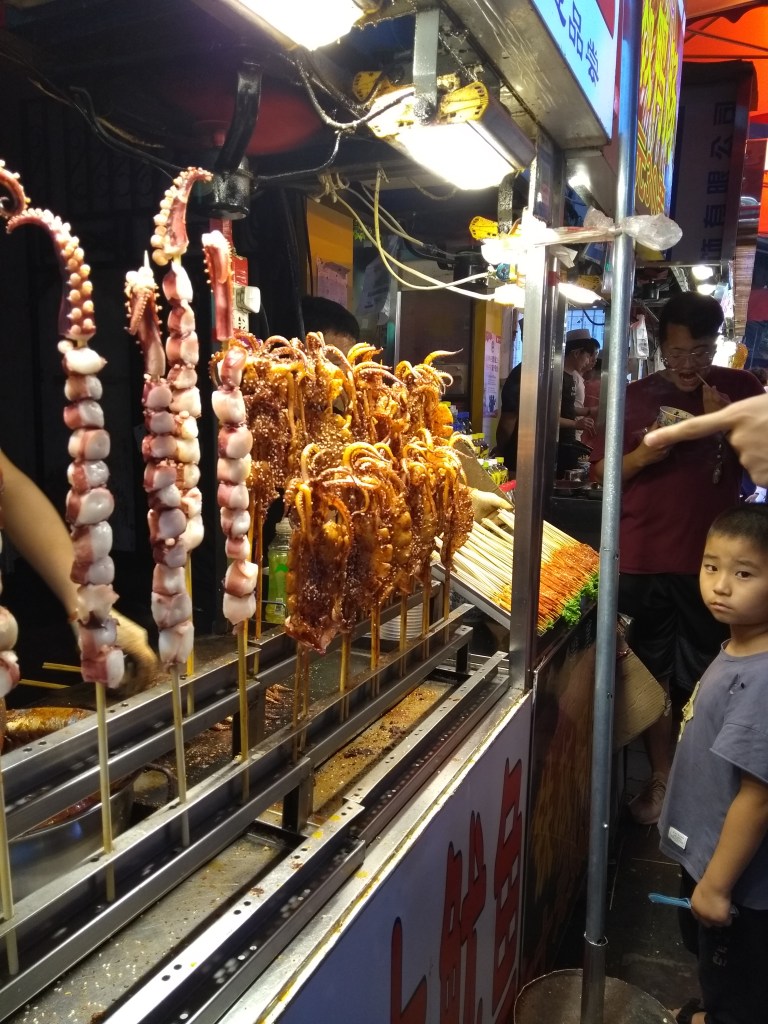
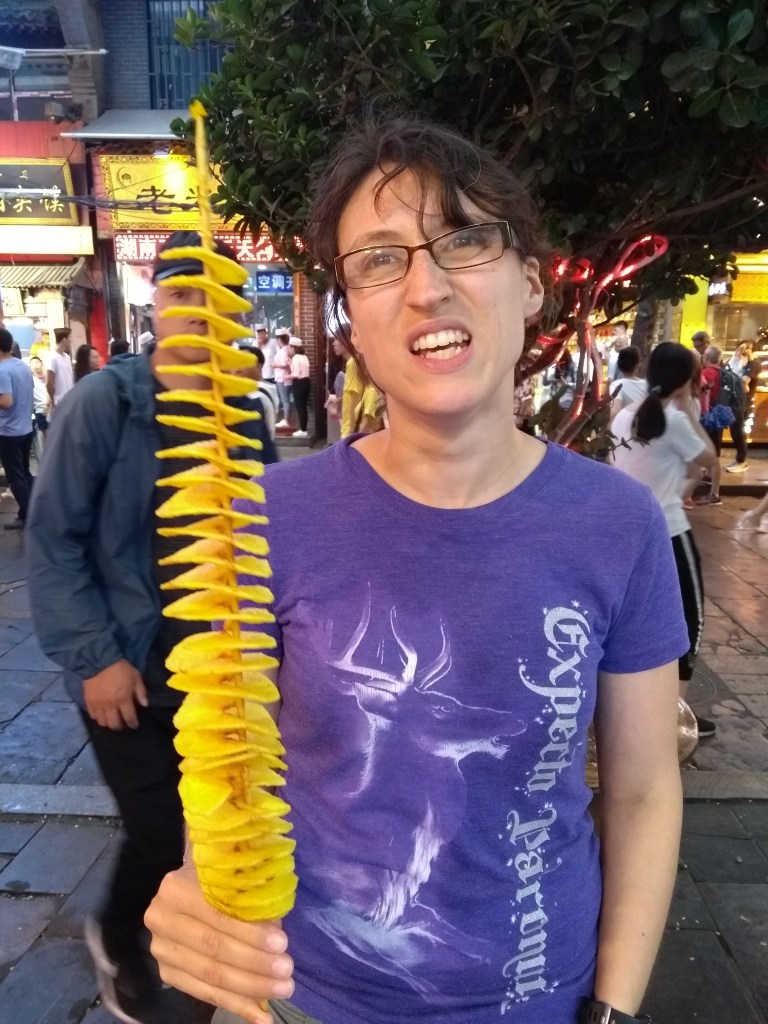
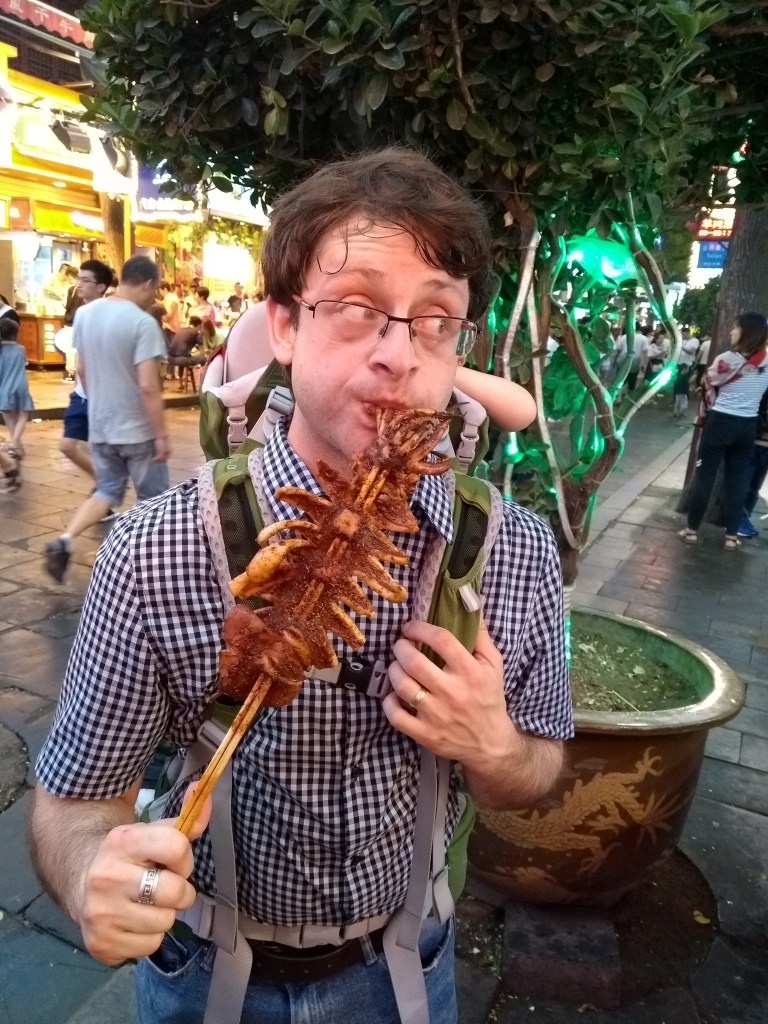
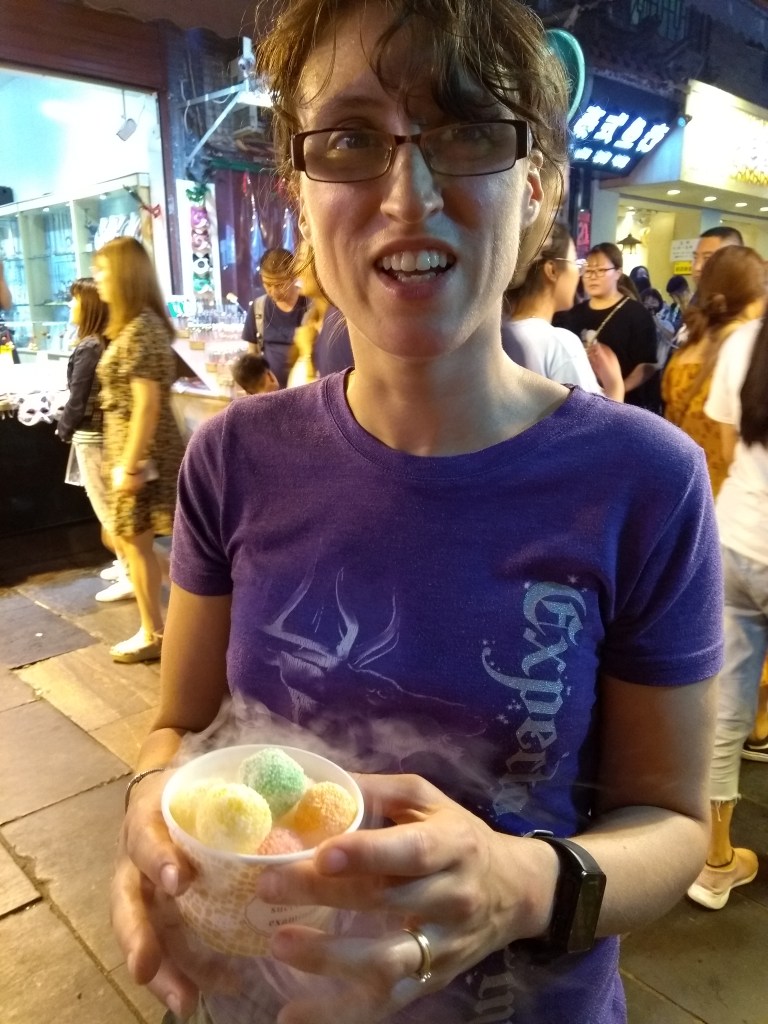
Chinese-Muslim food. It’s totally a thing and one of the few subsets of food you can seemingly find all over China. One thing Katy had complained about is the lack of ‘variety’, to which you might say. “Chinese food is incredibly diverse!” Which it is. I think it’s more so we are used to utterly different types of food in the UK/Canada. Curry, Chinese Food, Italian Food, Greek Food, Mexican Food, Caribbean Food, just to name a few. We are spoiled for choice. In China the most common alternatives to ‘Chinese food’ are American food (See expat bars/Mcdonalds/KFC/Dairy Queen) and Chinese-Muslim food. Chinese Muslim food is actually pretty good. Tends to involve big huge noodles, lamb/beef and a lot of mild spices.

Anyway back in Xi’an, we found an ATM to get cash out (Yay) and visited the Big Bell Tower and the Big Drum Tower!

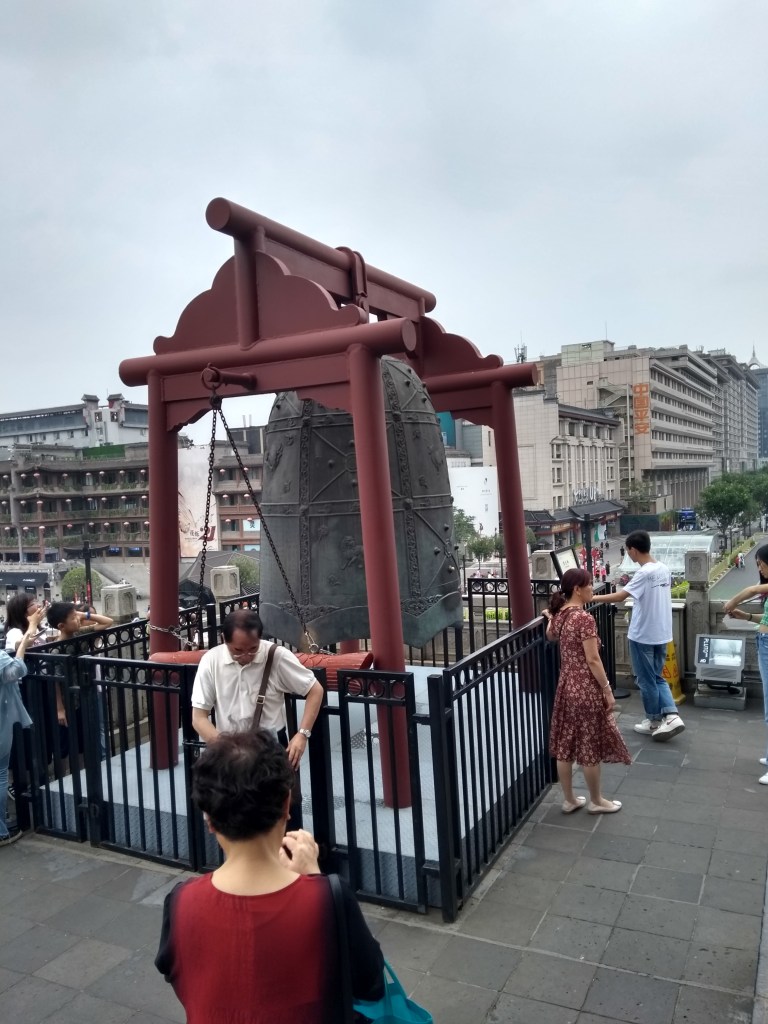
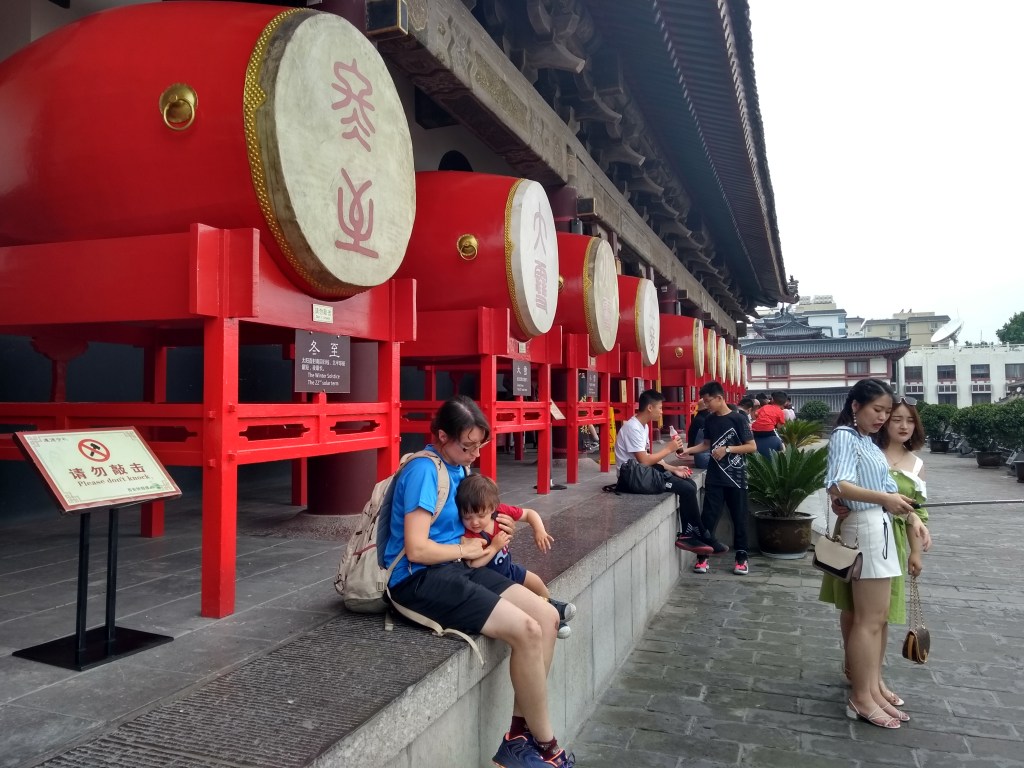

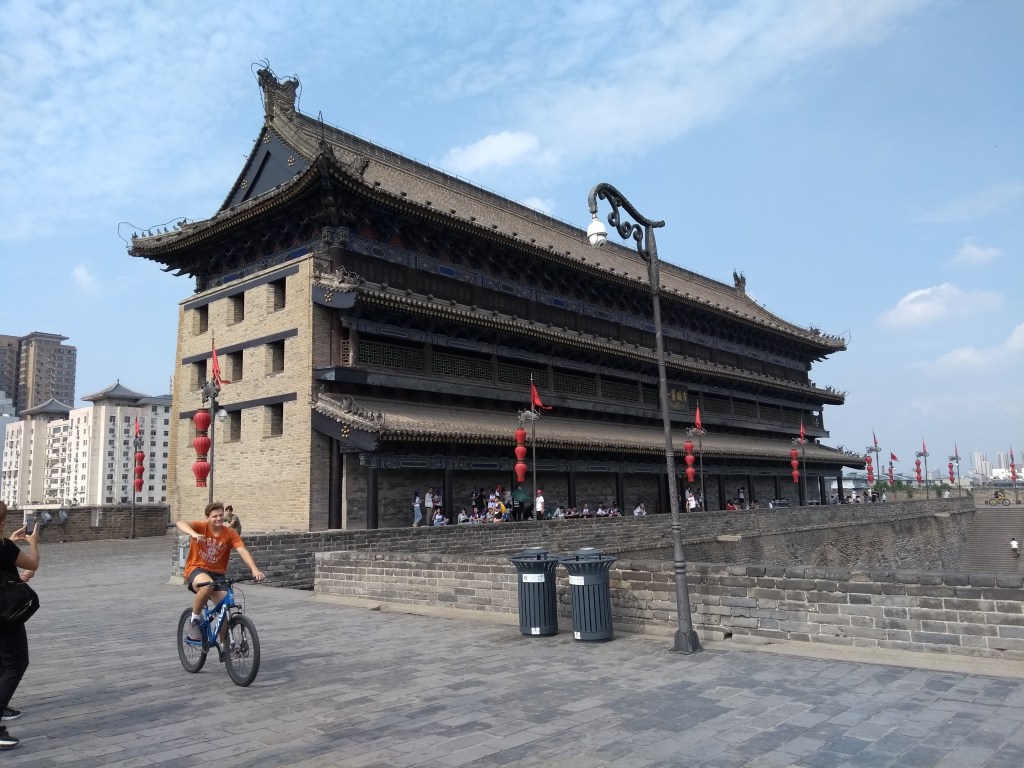
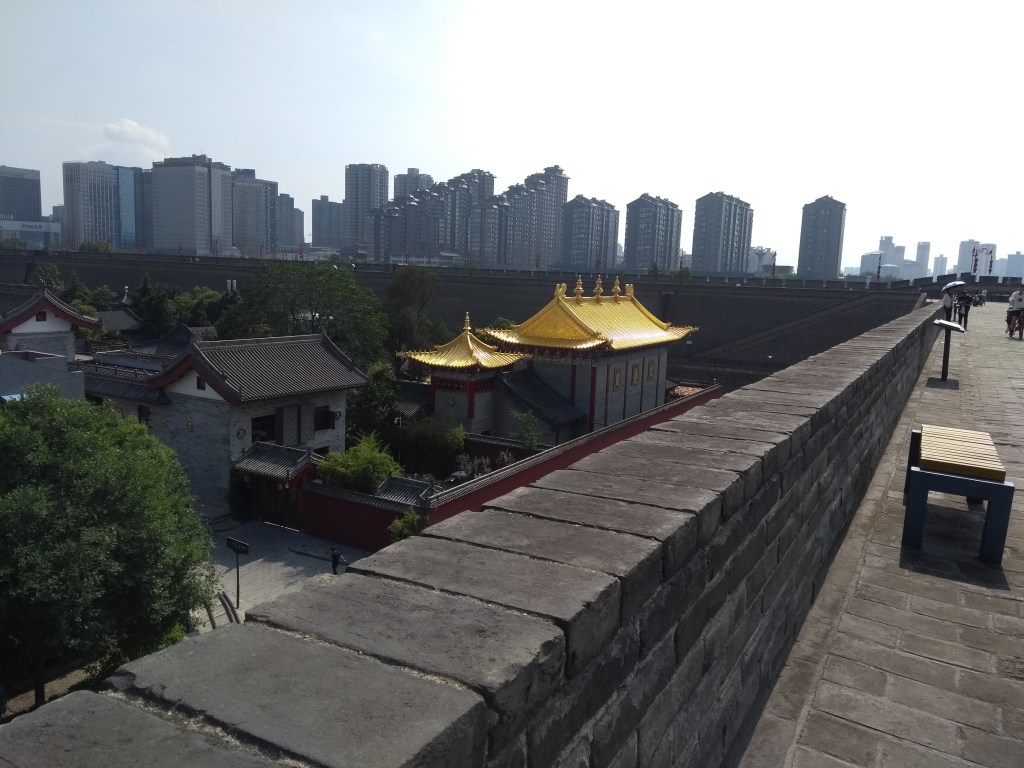
I rented a bicycle and road up and down along the City Walls and finally we got up stupidly early (5am) to visit the Terracotta Warriors. This was a good plan. The gates opened at 7am and we more or less sprinted to the excavation pit which they are still in. We managed to get a good 10-15 minutes looking at them before Hector became too much of a nuisance. It’s a good thing we did as well, as when we came back an hour later the place was nightmarish jam packed with people. They don’t really seem to limit attendance out here.


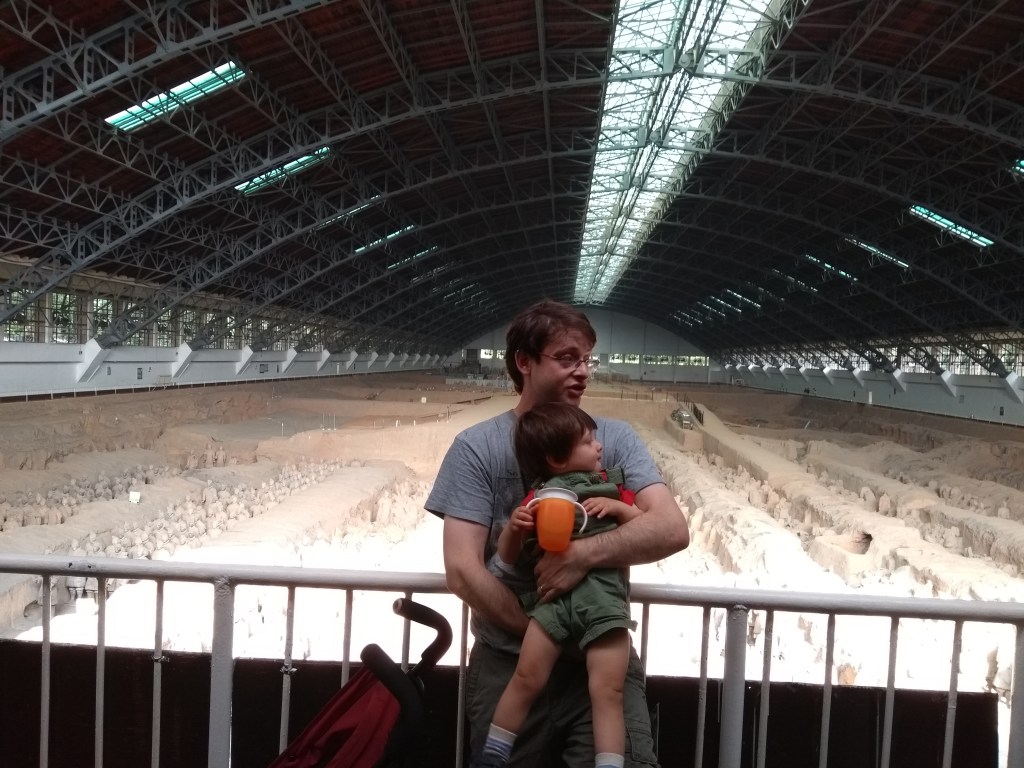

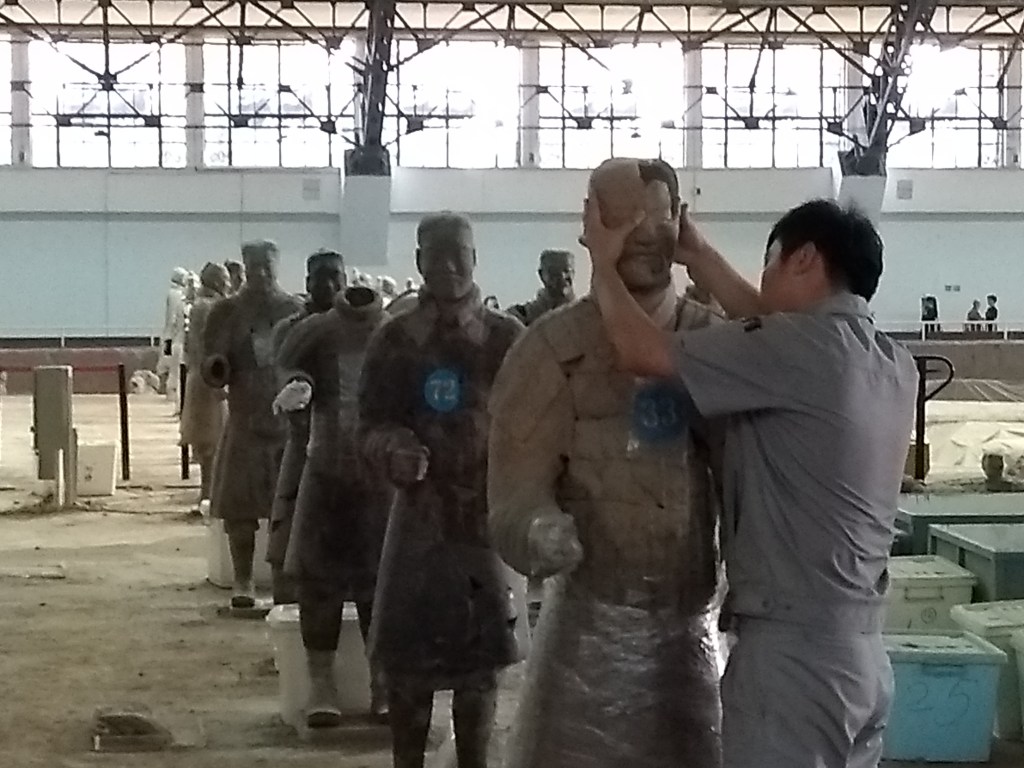

By 8am the excavation pits’ viewing platform was 10-15 people deep. The downside to beating the crowds to seeing the warriors was what we faced in the museum. The Terracotta Army has a nice modern museum wherein they store some of the better preserved and impressive figures. Here we attempted to see the bronze chariots. Rather impressive 1:4 scale models of what Qin era prossional chariots looked like. The room, if it didn’t have air ventilation on, would have been a death trap if just because of carbon-monoxide. The hall was utterly filled with people pushing and shoving over one another to get a better look at the sculpture. I ended up Losing Katy and Hector in the humid-nightmare that was the exhibit. One man actually walked over Hectors stroller in his desperate need to view something he’d no doubt seen before.
After visiting the First Emperors enormous and still excavated burial mound we got back on the train again for the longest journey yet, all the way back past Hangzhou and to Shanghai. Shanghai Disneyland!


 The Hopkins of Hangzhou
Impressive! Thanks for posting
LikeLike